Purchasing Power: How The U.S. Government Can Use Federal Procurement To Uphold Human Rights
September 2020
Workers making goods for the United States government face rights violations abroad.
The U.S. federal government purchases goods made by workers who are forced to endure serious human and labor rights violations, including excessive working hours, harsh working conditions, health and safety risks, child labor, debt bondage, and forced labor. This implicates the US in the mistreatment of these workers and makes it harder for companies that protect workers’ rights, including American companies, to compete for government contracts. The federal government must reform its procurement process in four high-risk sectors – electronics, minerals, apparel, and food – to ensure workers are protected and competition is fair.
The way forward
We make a series of recommendations for how the federal government can improve its procurement process, leveraging its significant buying power to drive rights compliance by prime and subcontractors. This is an ambitious undertaking, but the recommendations aim to minimize challenges and create a system that supports and incentivizes compliance by contractors. Through these changes, workers around the world can enjoy more comprehensive rights protection, American companies can compete on a more level playing field, and Americans can feel confident that their government is doing everything it can to make the world safer and fairer for all.

 Global Labor
Related
See all
Apparel Industry Purchasing Practice Metrics
After consultation with over 70 industry professionals, our Center has developed a set of nine Responsible Purchasing Practice (RPP) Metrics organized according to the apparel product lifecycle—from pre-production planning, through production, to post-production—reflecting the stages at which purchasing decisions have the greatest impact.

Too Hot to Ignore: Extreme Heat in Garment Supply Chains
Extreme heat is already disrupting garment factories across South and Southeast Asia, and in a new report drawing on field research across India, we find that most global brands have failed to act, pointing to a need for shared responsibility that treats climate adaptation as a core business obligation.
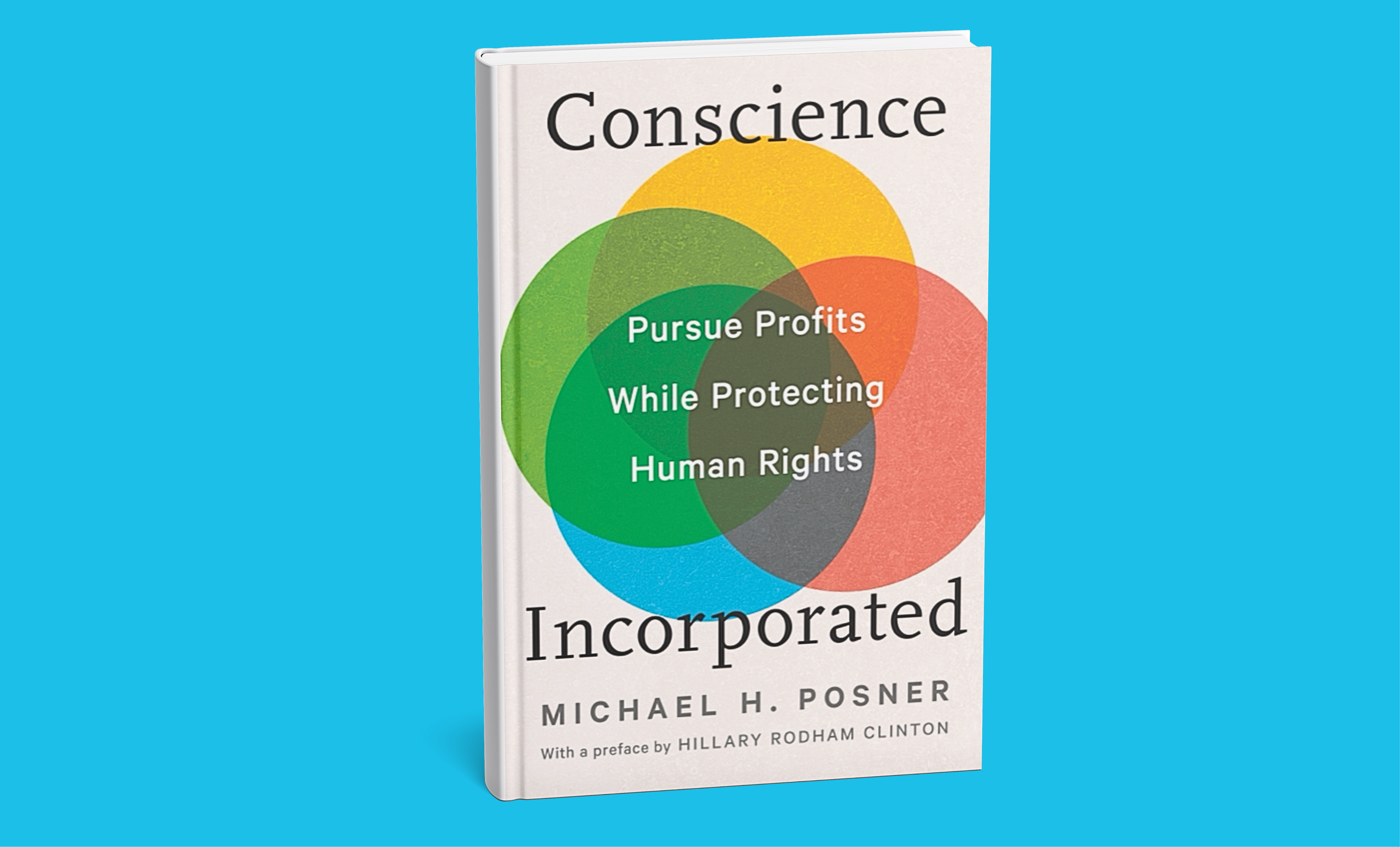
Conscience Incorporated
In his new book Conscience Incorporated, Michael Posner, director of the Center for Business and Human Rights, offers practical strategies and bold reforms to help businesses align profitability with ethical responsibility.