
Global Labor
We examine the impact of multinational companies on workers’ rights in supply chains, outsourced manufacturing, and projects that rely on vulnerable migrant workers.
The Center’s work on global labor focuses on the pressures exerted by multinational companies on their suppliers and how these forces affect workers’ rights. Our premise is that multinational companies have a responsibility to address the well-being of workers throughout their global supply chains. We pay particular attention to protecting migrant workers and the conditions of their recruitment and employment.
Publications
See all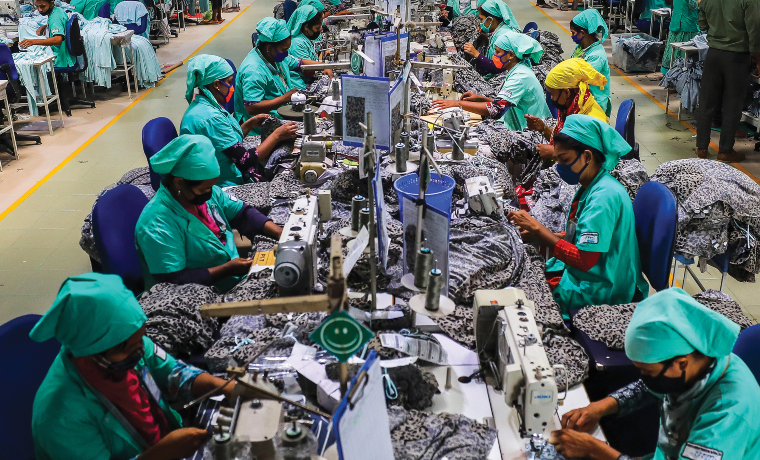
A Broken Partnership: How Clothing Brands Exploit Suppliers and Harm Workers –And What Can Be Done About It
Ten years after the Rana Plaza factory collapse, a new report from the NYU Stern Center for Business and Human Rights calls for a reformed collaborative approach to the outsourced manufacturing of apparel—one that does not create unfair economic pressure on factory owners, who all too often respond to such exploitation by reducing wages and benefits for their poor employees.
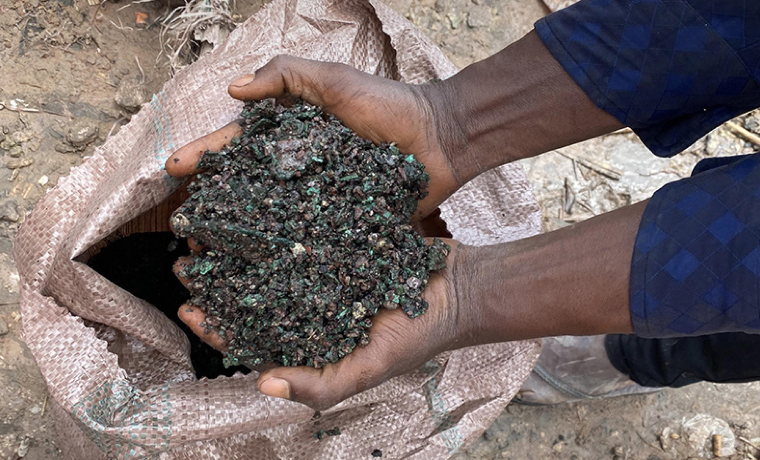
Cobalt Mining in the Democratic Republic of the Congo: Addressing Root Causes of Human Rights Abuses
Research director Dorothée Baumann-Pauly published a white paper in collaboration with the Geneva Center for Business and Human Rights which assesses ASM formalization projects. Her work highlights that the extraction from open pits and the integration of women are key success factors for addressing root causes of mine safety risks and child labor.
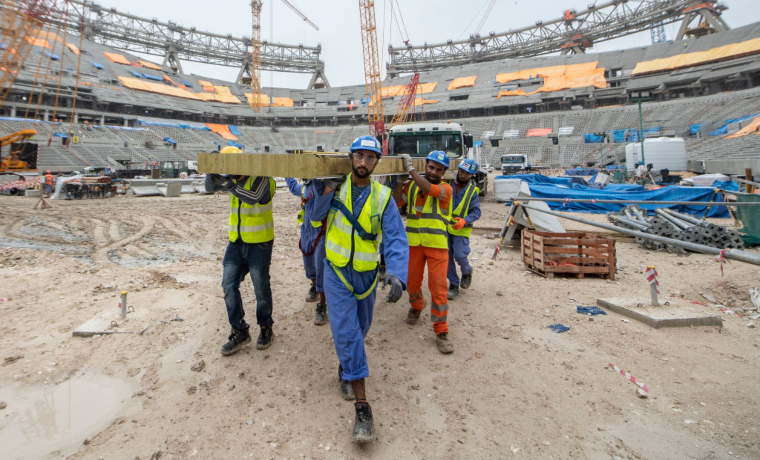
Still Struggling: Migrant Construction Workers In Qatar During The Pandemic
Our report shows that foreign laborers in Qatar and throughout the Middle East are denied basic labor protections.

Seeking A ‘Smart-Mix’: Multi-Stakeholder Initiatives and Mandatory Human Rights Due Diligence
In our white paper, we delve into the role of Multi-Stakeholder Initiatives (MSIs) in defining and implementing industry-specific human rights standards, highlighting their potential to shape meaningful corporate practices with government support.
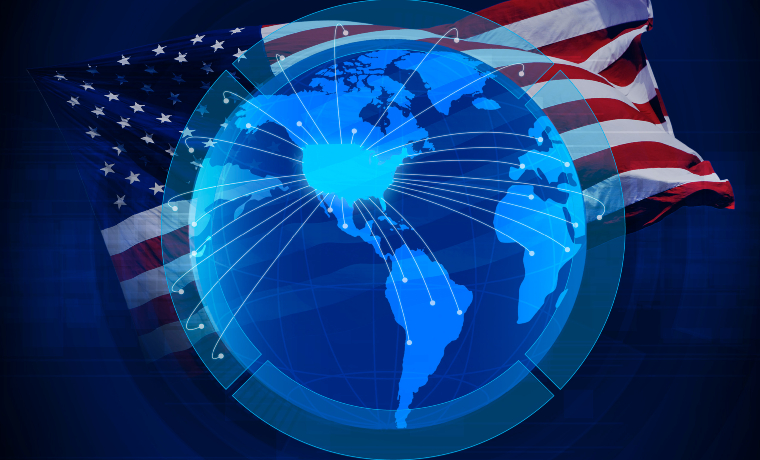
Purchasing Power: How The U.S. Government Can Use Federal Procurement To Uphold Human Rights
Our report makes a series of recommendations to reform federal procurement from four high-risk sectors to ensure the human and labor rights of workers are protected when they make goods for the U.S. government.

Making Mining Safe and Fair: Artisanal Cobalt Extraction in the Democratic Republic of the Congo
We published a white paper in collaboration with the World Economic Forum which assesses recent approaches to formalizing artisanal and small-scale mining of cobalt. The learnings from the cobalt context in the DRC can help guide companies on how to address human rights issues in their global mineral supply chains and improve working conditions of more than 40 million people in artisanal mining worldwide.
Press
See all





Quick Takes
See all

Teaching Resources
See all
Teaching case: Digging into the ethics of cobalt mining
As demand grows for the material used in batteries, this MBA-style case study explores ethical dilemmas over unregulated mines in the Democratic Republic of Congo.
Silverlake in China: Investor Responsibility for State Surveillance in Xinjiang
This exercise focuses on Packers Sanitation Services and Blackstone Core Equity Partners, exploring what accountability measures should be in place to address the exploitation of child labor.

Gulf Construction Tracker: 2017 Trends in Contract Awards
Our newly launched Gulf Construction Tracker provides the first public online database of new construction projects likely to employ low-wage migrant workers in the Gulf region.
Estimating The True Cost Of Remediating The Ready Made Garment Industry In Bangladesh
Four years after Rana Plaza, the majority of factories still have major electrical, structural, and fire safety deficiencies, and the sector lacks adequate funding to resolve them. The Center suggests a starting point for addressing these serious problems.
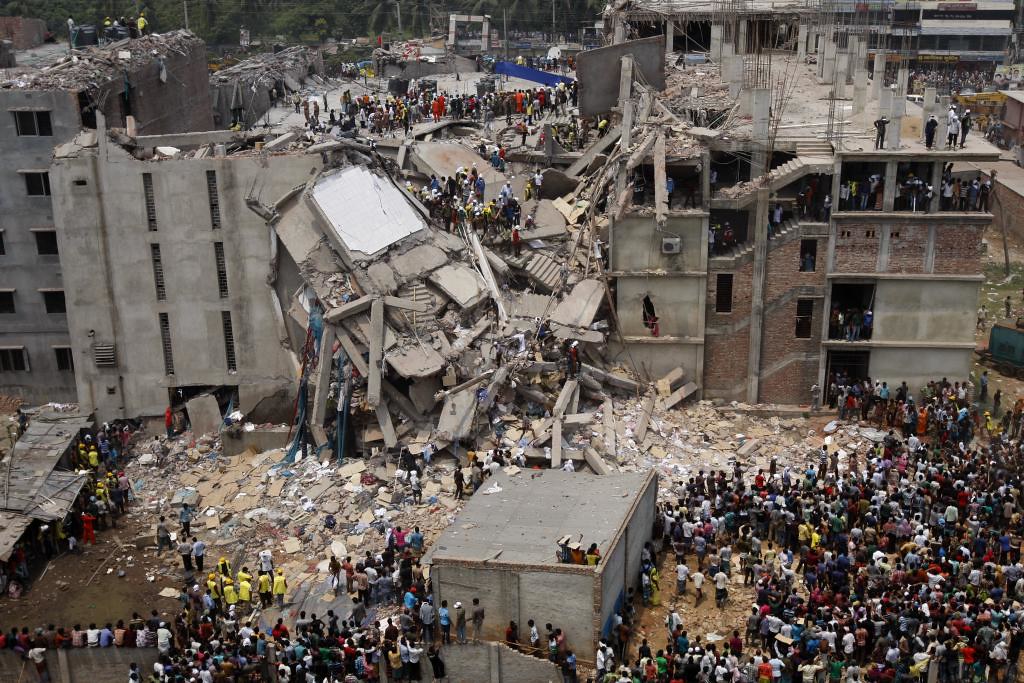
Bangladesh Factory Safety – Four Years After Rana Plaza
The Accord and Alliance programs have one year left in their collective efforts to make the Bangladeshi garment industry safe and sustainable. What have they have achieved to date and what remains to be done?

Foreign Funding Commitments For Bangladesh’s Garment Sector
In Bangladesh, over 5 million people work in the ready-made garment (RMG) industry. Despite the quarter of a billion dollars in funding after the Rana Plaza collapse committed to improve the industry, progress on fixing factories is slow.