Made In Ethiopia: Challenges In The Garment Industry’s New Frontier

May 2019
A new frontier in garment manufacturing
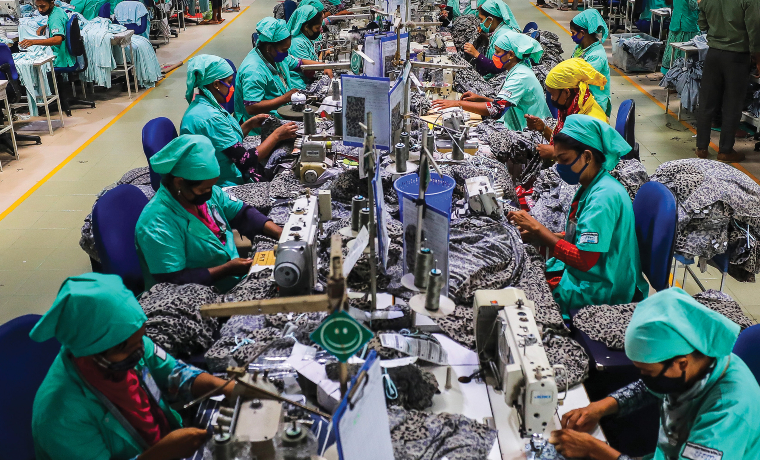
In recent years, Ethiopia has launched a bold economic and social experiment by inviting the global garment industry to set up shop in the East African country. The CBHR team researched the challenges and opportunities.
Ethiopia has the lowest wages in any garment-producing country.
One place for the apparel industry to start is ensuring that Ethiopian factory employees are well-trained, motivated, and paid enough to afford basic necessities.


Top fashion brands are sourcing from Ethiopia’s Hawassa Industrial Park.
Drawn by newly built industrial parks and a range of financial incentives, manufacturers for some of the world’s best-known brands—among them, H&M, Hanes, and PVH (Calvin Klein, Izod, Tommy Hilfiger)—employ tens of thousands of Ethiopian workers in a nascent sector the government predicts will one day have billions of dollars in sales.

 Global Labor
 Safeguarding Outsourced Labor
Related
See all
Apparel Industry Purchasing Practice Metrics
After consultation with over 70 industry professionals, our Center has developed a set of nine Responsible Purchasing Practice (RPP) Metrics organized according to the apparel product lifecycle—from pre-production planning, through production, to post-production—reflecting the stages at which purchasing decisions have the greatest impact.

Too Hot to Ignore: Extreme Heat in Garment Supply Chains
Extreme heat is already disrupting garment factories across South and Southeast Asia, and in a new report drawing on field research across India, we find that most global brands have failed to act, pointing to a need for shared responsibility that treats climate adaptation as a core business obligation.
Conscience Incorporated
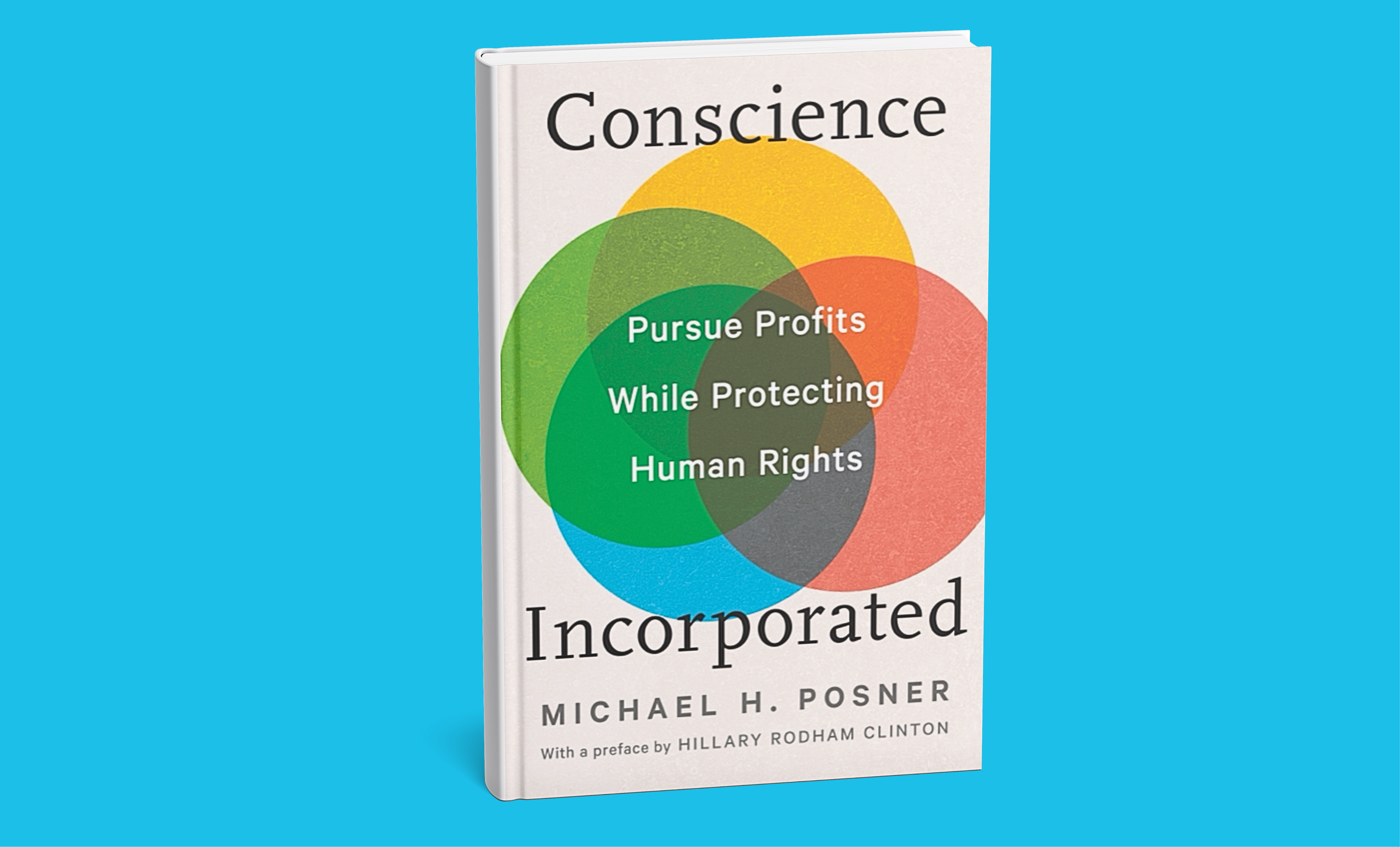
In his new book Conscience Incorporated, Michael Posner, director of the Center for Business and Human Rights, offers practical strategies and bold reforms to help businesses align profitability with ethical responsibility.