Publications
Research

Apparel Industry Purchasing Practice Metrics
After consultation with over 70 industry professionals, our Center has developed a set of nine Responsible Purchasing Practice (RPP) Metrics organized according to the apparel product lifecycle—from pre-production planning, through production, to post-production—reflecting the stages at which purchasing decisions have the greatest impact.

Too Hot to Ignore: Extreme Heat in Garment Supply Chains
Extreme heat is already disrupting garment factories across South and Southeast Asia, and in a new report drawing on field research across India, we find that most global brands have failed to act, pointing to a need for shared responsibility that treats climate adaptation as a core business obligation.
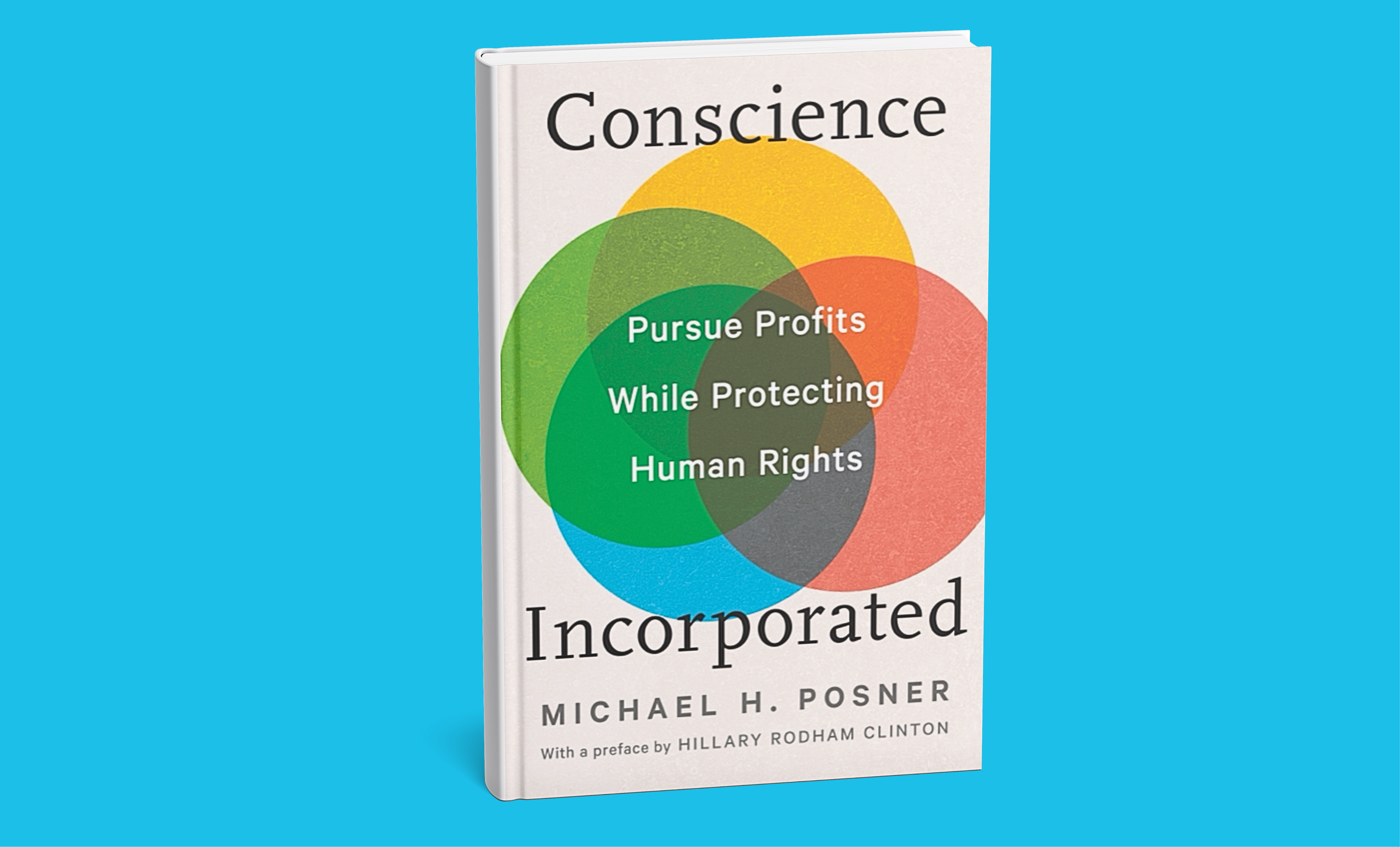
Conscience Incorporated
In his new book Conscience Incorporated, Michael Posner, director of the Center for Business and Human Rights, offers practical strategies and bold reforms to help businesses align profitability with ethical responsibility.

Setting Higher Standards: How Governments Can Regulate Corporate Human Rights Performance
Our report, released three months after the landmark CSDDD entered into force, provides a roadmap for regulators and companies navigating a new era of corporate human rights responsibility.
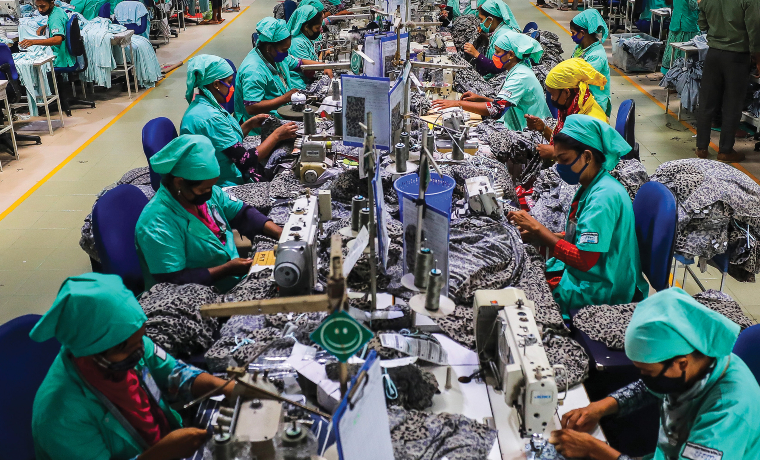
A Broken Partnership: How Clothing Brands Exploit Suppliers and Harm Workers –And What Can Be Done About It
Ten years after the Rana Plaza factory collapse, a new report from the NYU Stern Center for Business and Human Rights calls for a reformed collaborative approach to the outsourced manufacturing of apparel—one that does not create unfair economic pressure on factory owners, who all too often respond to such exploitation by reducing wages and benefits for their poor employees.
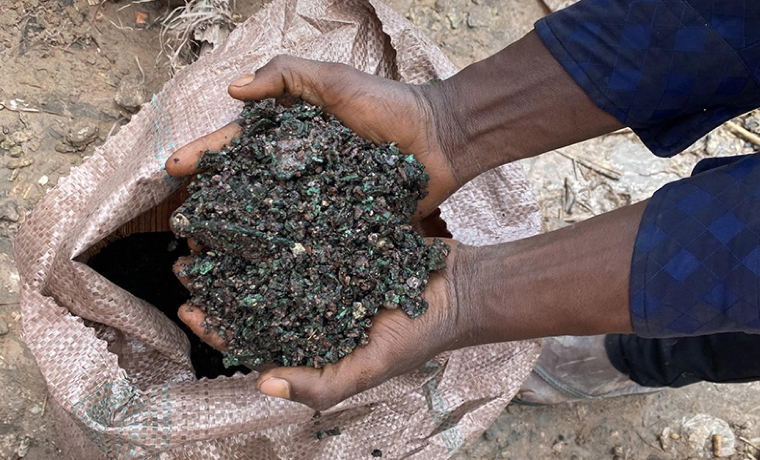
Cobalt Mining in the Democratic Republic of the Congo: Addressing Root Causes of Human Rights Abuses
Research director Dorothée Baumann-Pauly published a white paper in collaboration with the Geneva Center for Business and Human Rights which assesses ASM formalization projects. Her work highlights that the extraction from open pits and the integration of women are key success factors for addressing root causes of mine safety risks and child labor.

Still Struggling: Migrant Construction Workers In Qatar During The Pandemic
Our report shows that foreign laborers in Qatar and throughout the Middle East are denied basic labor protections.

Seeking A ‘Smart-Mix’: Multi-Stakeholder Initiatives and Mandatory Human Rights Due Diligence
In our white paper, we delve into the role of Multi-Stakeholder Initiatives (MSIs) in defining and implementing industry-specific human rights standards, highlighting their potential to shape meaningful corporate practices with government support.

Purchasing Power: How The U.S. Government Can Use Federal Procurement To Uphold Human Rights
Our report makes a series of recommendations to reform federal procurement from four high-risk sectors to ensure the human and labor rights of workers are protected when they make goods for the U.S. government.

Making Mining Safe and Fair: Artisanal Cobalt Extraction in the Democratic Republic of the Congo
We published a white paper in collaboration with the World Economic Forum which assesses recent approaches to formalizing artisanal and small-scale mining of cobalt. The learnings from the cobalt context in the DRC can help guide companies on how to address human rights issues in their global mineral supply chains and improve working conditions of more than 40 million people in artisanal mining worldwide.

Made In Ethiopia: Challenges In The Garment Industry’s New Frontier
We published a report examining how the global apparel industry operates in Ethiopia. The report features a set of nine recommendations for how the industry and the Ethiopian government, foreign manufacturers, and Western brands can address the human rights challenges created by the lowest wages in the entire global supply chain for clothing.

Five Years After Rana Plaza: The Way Forward
The Center’s report on factory safety in Bangladesh, finds that efforts by Western brands and retailers have resulted in safer factories but thousands of additional facilities still require remediation.