Don’t Abolish Business Schools. Transform Your Classroom.
October 23, 2026
Chris Marquis’s opinion piece in the New York Times this week arguing for the abolition of business schools hit a nerve. Few media pieces in recent memory have generated so many direct conversations among business school colleagues—and for good reason. Marquis gets a lot right, as commentators including Judy Samuelson and Alison Taylor have acknowledged. Business schools do chase rankings. Win-win arguments do often dominate where they should not. Case studies too often read as beauty contests—polished accounts of corporate success rather than genuine reckonings with the struggles companies face as they try to balance profits and principles. And courses on ethics and society are too often electives that preach to the converted.
The reaction is strong partly because the critique, while not always nuanced, is generally fair — and partly because changing entrenched systems feels overwhelming. This can produce a paralysis that leads to perhaps the most troubling phenomenon of all: institutions becoming increasingly skilled at articulating the need for transformation while continuing to reproduce the very conditions that make it necessary. The language of change substitutes for change itself.
To keep the momentum this debate has generated, here are three things business school teachers can do:
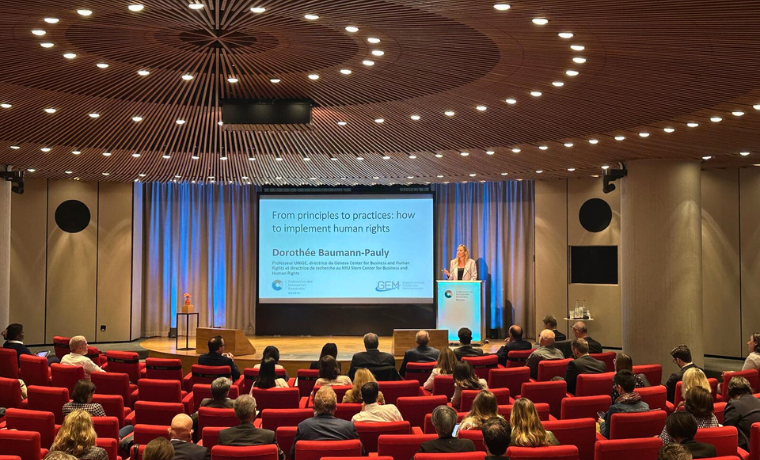
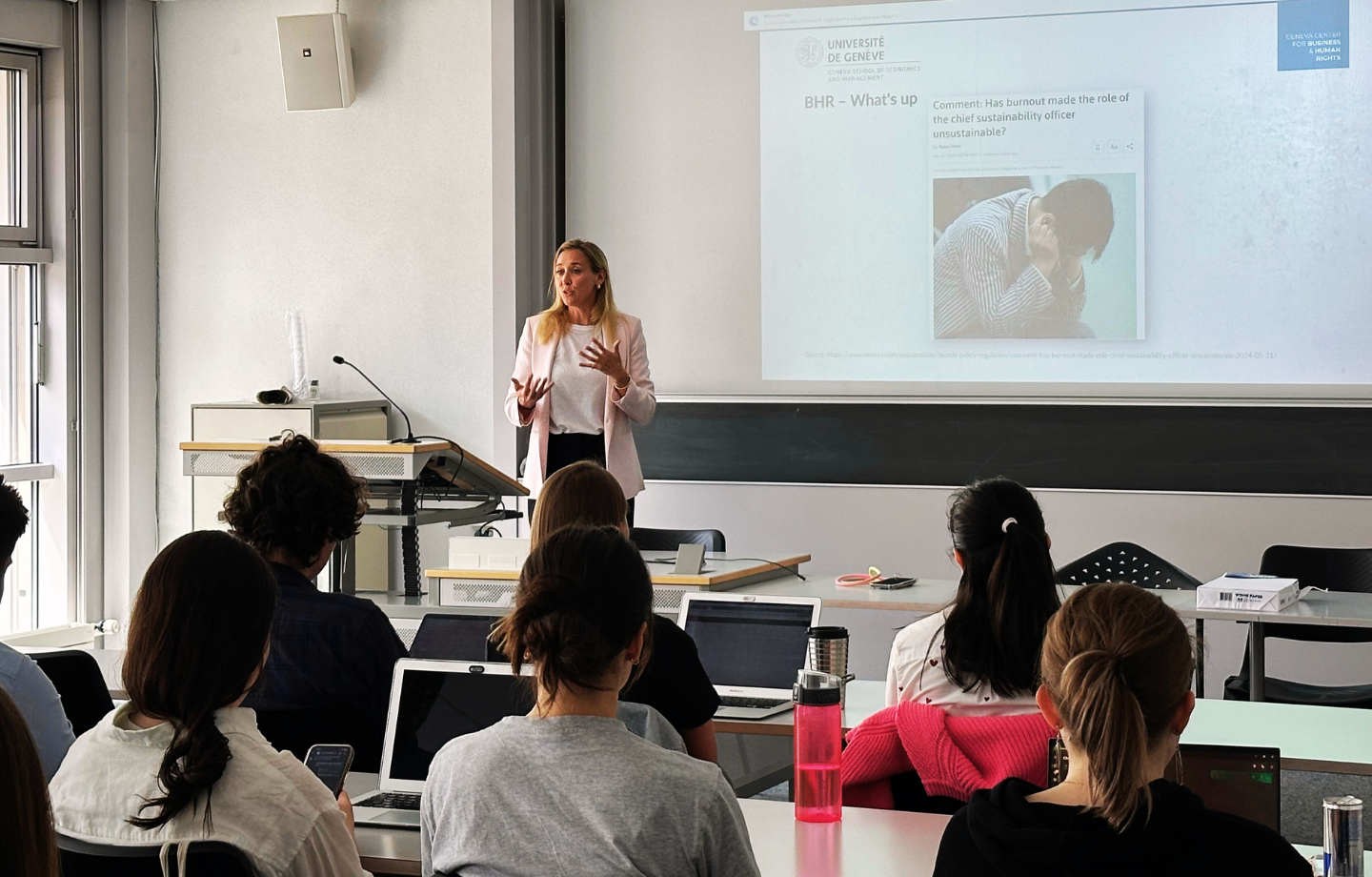
Reclaim your classroom. You cannot change your institution overnight, but you can determine what happens in your own classroom and what the next generation of business leaders learns there. Write your own teaching cases. Highlight the aspects that situate firms in stakeholder networks and broader ecosystems. Use formats that bring different stakeholder perspectives to life and invite genuine discussion rather than predetermined conclusions. Artificial intelligence now makes the translation from research into new teaching formats significantly easier. My colleagues in Geneva and New York share a number of our own case studies and teaching scenarios on our websites for anyone who wants a starting point.
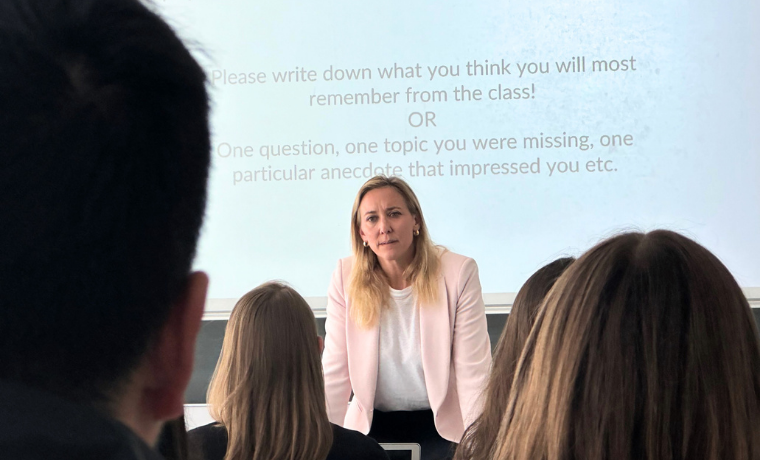
Go where the resistance is. Invite yourself to your colleagues’ classes and sector-specific programs, particularly those where students do not arrive with a pre-existing interest in responsible business. I have been teaching in the Geneva School of Economics and Management master’s program for commodity trading for nearly a decade. It is, without question, my most challenging and most impactful teaching—precisely because those students do not see an immediate need for human rights education. That is why the conversation matters most there.
Find your people. Developing strategies for integrating a broader perspective on business and society into business education is best done together. The intellectual isolation of faculty who hold these views is itself part of the problem. We work with the Global Business School Network (GBSN) through the GBSN for Business and Human Rights Impact Community, which is open to anyone interested. The community is a place to share teaching materials, compare approaches, and build the kind of collective momentum that individual effort alone cannot sustain.
Marquis is right that the system is broken in important ways. But the answer is not to wait for institutional transformation from the top. It is to act from where you stand, with the students in front of you. As Marquis puts it, students lack an institution worthy of their better impulses. They often arrive wanting to change the world. It is in our hands to start building an institution that deserves that ambition.
 Business Education
Related
See all