What I Heard About Heat at Climate Week

October 6, 2026
Image courtesy of HERA, Climate Week NYC 2026
I attended eight events at this year’s New York Climate Week (NYCW), all focused on the intersection of heat, workers and health. It was encouraging to see how much attention was being paid to the threat of extreme heat, but I left feeling that, despite the efforts of many organizations to push for greater adaptation, the scale and speed of action still do not match the severity of the threat.
The toll of extreme heat on human life cannot be overstated. During NYCW, Climate Impact Lab released new research projecting that 451,000 lives will be lost in the first nine months (June–February) of this “Super” El Niño because of increased temperatures. And this calculation does not include some of the hottest months in South and Southeast Asia. Even in Europe, Bloomberg calculated that temperature extremes this summer caused more than 34,600 deaths.
Across the eight events I attended, seven key messages came up again and again:
- Heat may be universal, but its consequences are profoundly unequal. Informal workers are particularly vulnerable: market vendors in Freetown, Sierra Leone, for example, face income losses of up to 60% during the hottest months as heat damages goods, raises water costs, and threatens their health. Formal workers in global supply chains can also face acute vulnerability, because hot workplaces, production pressures, low wages, and limited worker power can constrain workers’ ability to protect themselves. Exposure may be widespread, but vulnerability is shaped by inequality, income, power, and gender.
- Workers must be at the center of climate adaptation efforts. The people experiencing extreme heat can inform what interventions are needed and when. But worker voice should mean more than just consultation; workers must have the agency and economic security to use the protections available to them. Unionized workers spend 51% fewer working minutes at unsafe core body temperatures, demonstrating the role of collective bargaining as a first-line defense in the workplace.
- Workers do not stop being affected by heat when they leave the workplace. Many return from hot workplaces to homes with limited access to cooling and unreliable electricity, leaving little opportunity to rest and recover. Workers may therefore begin the next working day already fatigued or heat-stressed, something workplace heat adaptation must also take into account.
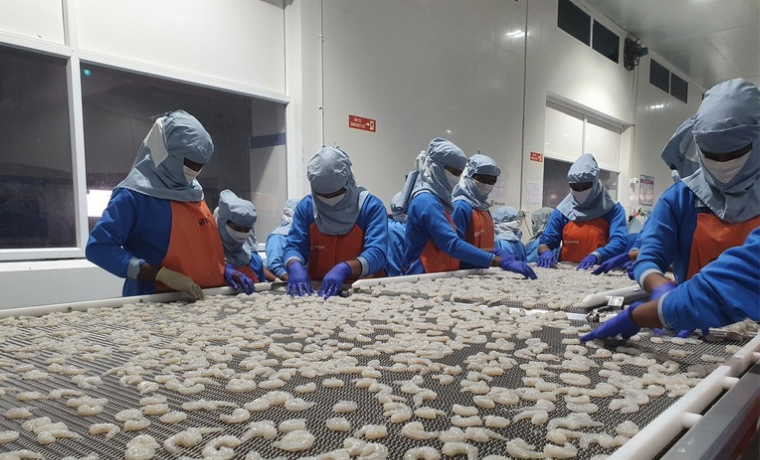
- Labor and commercial conditions can actively undermine heat protections. Adaptation is not just about lowering workplace temperatures; workers must be able to slow down or take breaks when heat becomes dangerous. Production targets, wage structures, and piece-rate systems can make this difficult, while buyer purchasing practices, including lead times, order changes, and penalties, can constrain suppliers’ ability to adjust production. As Bangladeshi labor activist Kalpona Akter put it, “when heat increases, workloads must adjust.”
- There is no one-size-fits-all fix to extreme heat: context matters. Even garment factories in the same region can face very different heat risks depending on their design, production processes, workforce and working conditions. Standards and thresholds are important, but interventions must also be informed by factory-level measurement and workers’ experiences.
- Framing heat as a business resilience risk can help broaden corporate action. The human-rights case must remain front and center, but the economic case can strategically bring sourcing, buying, and other commercial teams into the conversation. Heat affects productivity, quality, power supply, delivery, and supplier costs. Recognizing these impacts can help break down internal silos and make heat a shared responsibility across the business.
- Heat adaptation is a puzzle with many different pieces. One of the most illuminating parts of Climate Week was getting out of my lane and seeing the breadth of approaches underway—from Solidarity Center’s focus on resilient health systems and health workers as climate first responders, to HERA’s parametric heat insurance and cash assistance for informal women workers.
The world usually responds reactively to crises. It was encouraging to see so much attention on heat, workers, and health at Climate Week, but proactive action remains far behind the scale of the problem, with this El Niño predicted to have severe human consequences globally.
As we argued in Too Hot to Ignore: Extreme Heat in Global Supply Chains, preparing for what is coming requires a shared and proactive response. Workers must be at the center of that response; heat must be measured and linked to action; and solutions must reflect the very different conditions workers and workplaces face. Employers and buyers must share the costs and responsibilities of adaptation, including by adjusting workloads and commercial expectations as temperatures rise. And within companies, heat must be treated as both a human rights and cross-functional business risk, bringing sustainability, sourcing, and other commercial teams to the same table.
Climate Week suggested that many of these principles are increasingly understood. The challenge now is putting the systems in place quickly, before the next extreme-heat crisis arrives.
 Global Labor
Related
See all